Tracy Penn
OtherI create environmentally conscious art across a variety of disciplines, including painting, sculpture, installation, and works on paper. My work celebrates the wonder of the natural world and raises awareness about the profound impact our actions have on the environment and our bodies. I believe that art holds the power to encourage curiosity and inspire change. Through my practice, I seek to spark conversations about sustainability, plastic reduction, and the urgent need to protect the world we inhabit. In all aspects of my creative process, I am committed to using environmentally friendly materials and techniques. By incorporating sustainable practices into my work, I hope to further align my art with the values I stand for.
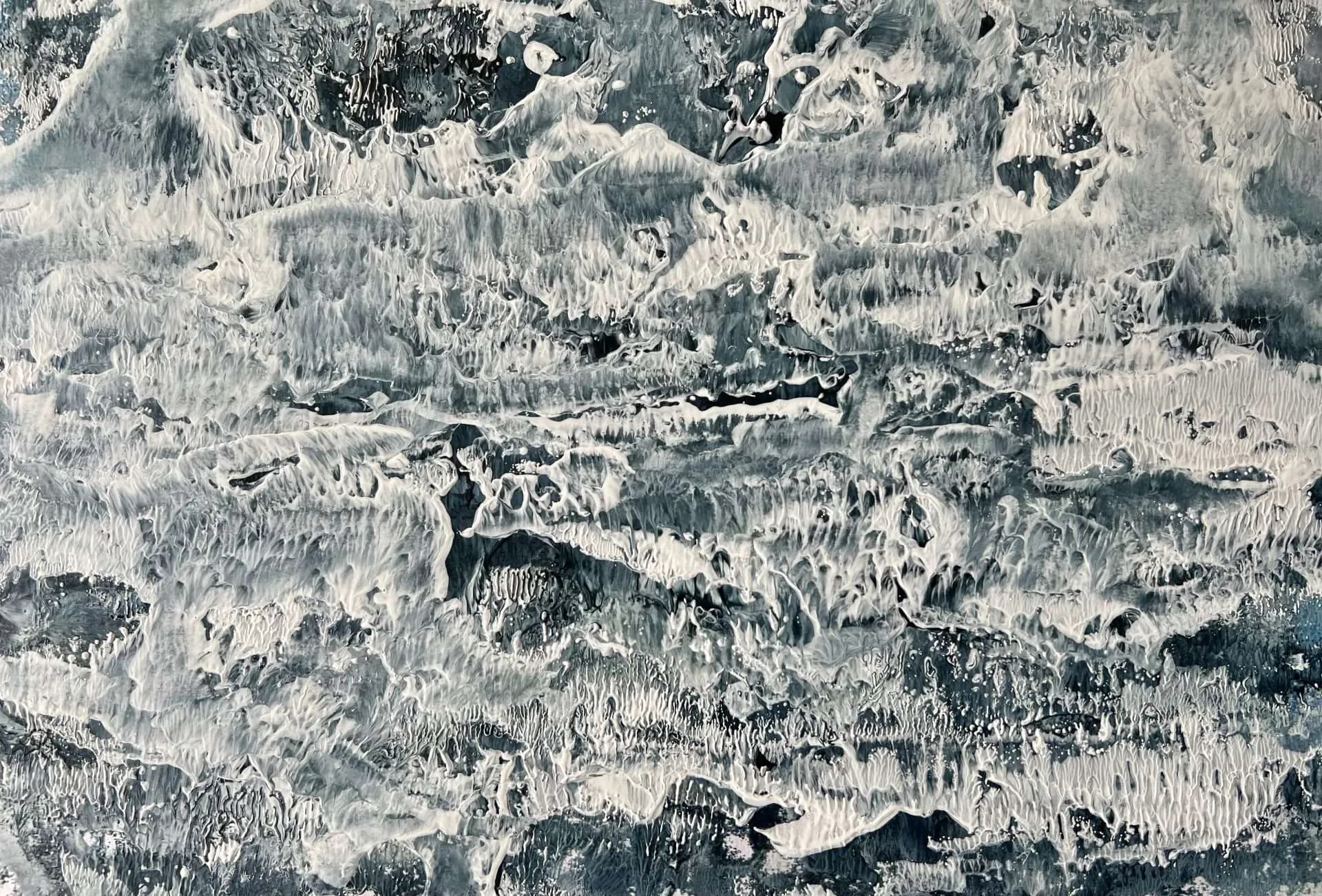
Ubiquitous was created to bring attention to the proliferation of microplastics in the human body. Microplastics are everywhere: in the air we breathe, in the food we eat, in the clothes we wear, in our homes, and in our bodies. The installation features over 200 microplastic sculptures, suspended from the ceiling, hung on walls, and grouped in piles on the floor. As one moves through the exhibition, they will have the experience of being fully encompassed by the work, to feel the pervasiveness of microplastics in our bodies. The sculptures were created with wire and plaster and filled with discarded plastic. They were then textured with encaustic paint and upcycled plastic. Each piece is lozenge shaped to represent how microplastics look under a microscope. There are also 13 paintings in the installation, which have been created with encaustic paint, oil and textured with upcycled plastic, which further show the pervasiveness of plastic in our environment. A fact sheet accompanies the show describing the harmful effects that the oil and packaged goods industries have on the environment through the creation and distribution of single-use plastic. In addition, it shares research which shows that microplastics have been found in major organs of humans and the chemicals that leach from plastic have been tied to serious diseases. Finally, there are tips on how to reduce microplastics in our own lives.